A night out can take many forms, and a gay night out often follows its own rhythm. People gather for conversation, music, and community. The mix shifts from casual drinks to louder energy as the hours go on. The experience usually reflects the spaces people choose, the company they keep, and the way a city’s nightlife grows around LGBTQ+ culture.
Starting the Night with Drinks
Many nights begin in a gay bar because it offers a familiar setting where people meet up before the pace increases. Friends pick a spot that fits their comfort level. Some bars feel relaxed, while others move faster even in the early part of the evening. People often choose places known for friendly regulars, mixed crowds, or themed nights that draw visitors with particular interests.
Some bars feature comfortable seating that works for catching up after a long week. Others highlight a craft cocktail menu and let guests settle into the night at an easy pace. Conversation tends to stay light as everyone figures out the plan ahead. Bartenders often recognize regulars and help create predictable social environments that steady the tone.
Food sometimes shapes the early hours. Tasty food can help balance the drinks, and it gives people more time to settle in before heading out for something louder. Happy hours still draw crowds in many cities, so groups often meet earlier than they used to. The opening stretch sets the tone, even if the plan shifts later.
Entertainment That Builds Momentum
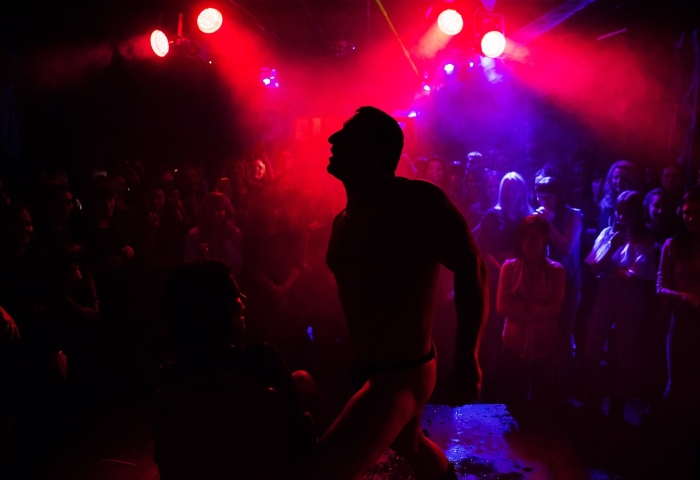
Some evenings move into more active entertainment after the first round of drinks. Drag shows remain a common choice, and many people enjoy them because the performers set a clear mood for the night. Others head to lounges or bars that host themed events centered on music, comedy, or performance art. A few venues introduce male strippers as part of scheduled entertainment, which attracts groups celebrating birthdays or visiting from out of town.
Trivia nights also appear in many cities. These events create a relaxed way for groups to warm up for the later part of the night. Line dance classes or demonstrations show up in some venues that draw a crowd comfortable with group activities. Each city shapes its own mixture of entertainment, so the options vary depending on the size of the LGBTQ+ community and how active its nightlife scene has grown.
Moving into Busier Venues
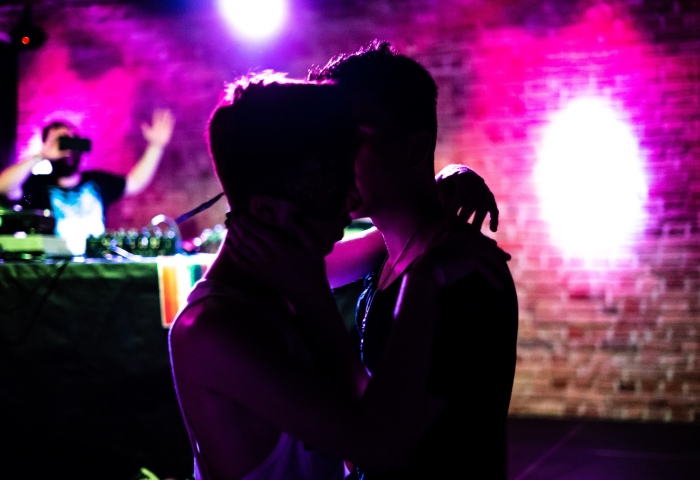
Many people shift locations once the night gains momentum. Queer nightclubs fill up as the evening progresses. Music plays a larger role as visitors follow the beat to the dance floor. DJs rotate through playlists that match the crowd’s preferences. Some venues adjust the lighting and sound to create a clear shift from the early evening to late night.
Outdoor patio areas offer a short break from the music, and the lighting sometimes works for perfect viral photos. These spaces work for quick conversations, and many people use them to cool off or regroup before going back inside. Groups might split up and meet again after a few songs. The flow feels loose and unstructured compared to the early evening. Guests dip in and out of conversations, meet new people, and explore corners of the venue that feel less crowded.
Some clubs operate in gay neighborhoods that have grown over the years. These areas often support a wide mix of places to visit within a short walk. A person can leave one crowded spot, step outside, and find a calmer bar across the street. The variety helps shape a night that fits different moods without a rigid plan.
Late-Night Spots and Social Energy
Late-night energy shifts as bars close and people look for places that stay open longer. Some cities host after-hours venues where the crowd feels lively even past midnight. The atmosphere changes. People who prefer conversation move toward lounges, while those who still feel ready for loud music go to extended-hour dance spaces.
Gay owned establishments often play a key role here. Many of them invest in creating safe spaces for people who want a consistent experience. Staff often know their regular customers and pay attention to the rhythm of the night. Some guests use this time to wind down after a stretch of dancing. Others prefer to keep going until the final call.
Food trucks and late-night diners serve as another transition point. People gather there to recap the night, plan a route home, or invite new friends to continue the evening. The social energy remains present, even if the setting feels calmer. These informal stops add a practical element to a long night out.
After-Hours Adventures and Final Stops
Some nights keep going after most venues close. People might head to someone’s apartment for a small gathering. These gatherings usually feel casual. Music plays quietly, and people talk about the highlights of the night. A few cities have extended-hour dance sessions that run until sunrise, although these are less common due to local regulations.
Visitors sometimes explore late-night coffee spots if they want something quieter. Conversations deepen once the loud music fades. This stage of the night often dissolves slowly as people drift out one at a time. The mix of personalities from earlier in the evening thins, leaving a smaller group that stays awake longer.
After-hours time usually creates the most memorable conversations because people relax after a long stretch of activity. The pace slows, and it becomes easier to talk without interruptions. These moments tie the night together before everyone heads home.
Conclusion
A gay night out can start with relaxed conversation and end with lively music, after-hours chats, or a calm ride home. People shape their nights around comfort, connection, and curiosity about what each venue offers. Bars, clubs, lounges, and after-hours spots each serve a different purpose in the flow of the evening. The mix of shared spaces, entertainment, food, and conversation helps create nights that feel social, open, and rooted in community.