On a Friday afternoon in May 2015, crowds gathered outside Dublin Castle as the referendum result came in. Ireland had just become the first country to legalise same-sex marriage by popular vote, and the scenes that followed, the cheering, the tears, the embraces between strangers, were broadcast around the world.
For a country still shaking off decades of Church influence, it meant more than a legal change. The culture had moved.
That shift didn’t stop at the ballot box. It kept moving through the cities, the nightlife, and the way Ireland presents itself to visitors. For LGBTQ+ travellers, the result is a destination that doesn’t just tolerate a queer pound or dollar, it actively, visibly welcomes it.
Dublin: Punching Above Its Weight
Dublin is where most visitors start, and it rewards them.
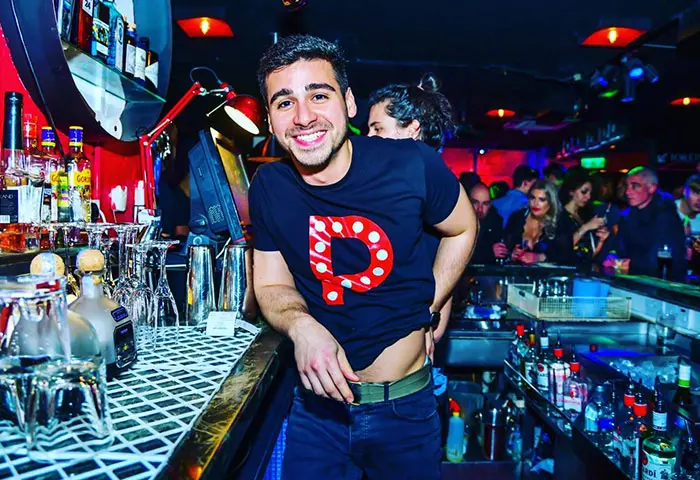
The city’s LGBTQ+ scene is centred around Capel Street and the surrounding area: Pantibar, run by the legendary drag performer and activist Panti Bliss, is essential. It’s not a theme park version of queer nightlife.
It’s intimate, characterful, and full of regulars who’ll talk to you like you’ve always been there.
The George on South Great George’s Street is Ireland’s oldest gay bar and still one of its best nights out, particularly on weekends when the drag shows run late, and the dancefloor fills up properly.
For something more low-key, the queer-friendly café and arts scene around Temple Bar and Smithfield offers daytime options that don’t require recovering for two days afterwards.
Cork: The Alternative Capital
Seasoned Irish travellers know that Cork has long had a claim to being the country’s cultural heartland, and its LGBTQ+ scene punches well above its size. The city hosts its own Pride festival each summer, and the bar and arts scene on and around Oliver Plunkett Street has a warmth and lack of pretension that’s harder to find in bigger cities.
Cork Pride, usually held in July, draws a genuinely diverse crowd and has expanded in recent years to include film screenings, community events, and outdoor spaces that make the most of the city’s compact, walkable layout.
Galway: Bohemian and Welcoming
Galway operates on its own frequency.
The city has a strong arts and festival culture that has always skewed inclusive between the Galway International Arts Festival, the film festival, and a year-round creative community; there’s a natural overlap with LGBTQ+ life that doesn’t feel forced.
The pub culture here is some of the best in Ireland, and Galway’s smaller scale means that queer-friendly spaces tend to be integrated into the mainstream rather than siloed off. It’s the kind of city where you don’t need a specific gay bar to have a great night, though the local community events listed through GCN (Gay Community News) are worth checking before you visit.
Practical Notes for the Trip
Ireland is compact enough to move between cities without much friction: Dublin to Cork is under three hours by train, Cork to Galway around two and a half. Hiring a car opens up the coastline and the quieter towns between the main stops, and is worth considering if you’re staying longer than a week.
The currency is Euro, and most venues are card-only at this point; cash is rarely necessary. Accommodation books up fast around Pride weekends in both Dublin and Cork, so planning by a few months isn’t overcautious.
For gaming lovers, Ireland has relatively few land-based casinos by European standards, so evening entertainment skews toward pubs, live music, and increasingly, online platforms. NetBet Ireland has a solid Slingo library worth bookmarking for a quieter night in.
When to Go
Dublin Pride takes place in late June and is the largest in the country, with the parade drawing well over 50,000 people in recent years.
Cork follows in July. Both are worth experiencing, though the cities are worth visiting regardless, Ireland’s queer scene is lively enough year-round that timing around Pride is a bonus rather than a requirement.
The country that surprised the world in 2015 is still surprising people. It’s worth showing up to see why.