
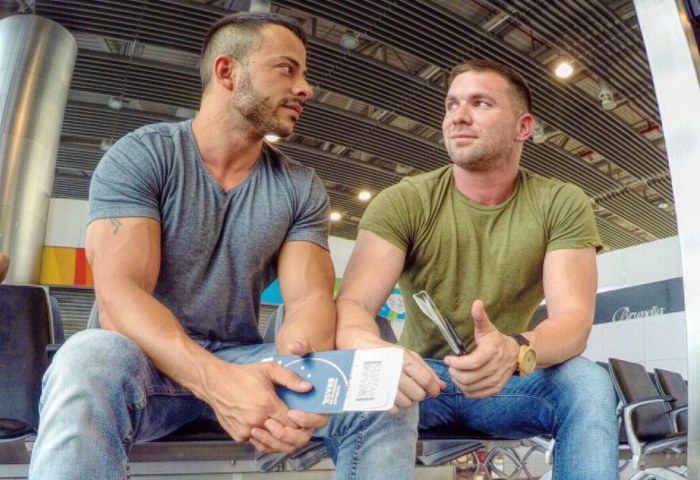
Traveling opens doors. But for LGBTQ+ people heading into conservative destinations, some of those doors come with real risk attached. Digital habits that feel completely automatic at home, such as posting a photo, opening a dating app, or checking into a hotel with a partner’s name on the reservation, can suddenly carry consequences somewhere else. LGBTQ travel safety today isn’t just about packing discreetly or knowing which neighborhoods to avoid. It’s about managing your digital footprint with the same care you’d give your physical one.
More than 60 countries still criminalize same-sex relationships in some form, according to recent global mapping from ILGA World. In a handful of them, penalties include prison time. That statistic isn’t meant to scare anyone out of traveling. It’s meant to explain why a little preparation goes a long way.
Why Digital Privacy Matters More Than You Think
Government surveillance, internet service provider monitoring, and even ordinary hotel Wi-Fi logs can expose more than most travelers realize. In several countries, authorities have reportedly used dating apps and social media activity to identify and target LGBTQ+ individuals, sometimes through entrapment operations run on popular apps. Human Rights Watch has documented cases across multiple regions where officers posed as users to lure people into meetings and then arrest them. This is exactly why a travel VPN guide deserves a spot in every LGBTQ+ traveler’s pre-trip checklist, right next to visa paperwork and vaccination records.
A reliable VPN encrypts your connection and masks your real location, making it much harder for a government, an ISP, or a stranger on public Wi-Fi to see what you’re doing online. VeePN is one option built with exactly this kind of situation in mind, offering apps across platforms so you’re covered whether you’re working from a laptop or checking messages on your phone. If you’re bringing a laptop, install a secure VPN for Windows before you leave home, trying to download one after landing is riskier, since some networks and app stores restrict VPN access once you’re already inside a restrictive country. Having a VPN for Windows set up in advance also means you can keep messaging loved ones, banking, or working without broadcasting your location to every network you connect to along the way.
Research the Local Laws and Culture Before You Land
Laws vary enormously, and not just from country to country. Sometimes they shift from region to region within the same country. Before booking anything, spend an hour looking into the current legal status of same-sex relationships, general attitudes, and any recent news about crackdowns or policy changes. Sites like Equaldex and ILGA World keep detailed, regularly updated maps, and travel forums often carry firsthand accounts that are more current than official government advisories.
A short pre-trip research checklist worth working through:
- Legal status of same-sex relationships and any “promotion” or “propaganda” laws
- Recent enforcement trends, police activity, or reported crackdowns
- Local LGBTQ+ community resources, hotlines, or embassy support programs
- Cultural norms around public affection, dress, and gender expression
Knowing this ahead of time shapes almost everything else, from what you pack to what you leave off your phone entirely.

Lock Down Your Dating and Social Apps
Dating apps are convenient, and that’s precisely what makes them one of the easiest ways to be identified. Ask yourself whether you actually need certain apps installed during a sensitive trip. If you do keep them, review location-sharing settings closely, disable “show distance” features, and avoid photos that could tie back to your real name, workplace, or home city.
Social media deserves the same level of scrutiny. Turn off geotagging, hold off on posting photos until after you’ve left a location, and double-check who can actually see your posts. Here’s a useful test: could a stranger scrolling your public profile figure out exactly where you’re staying tonight? If the answer is yes, it’s time to tighten the settings.
Browse and Message More Securely
Beyond a VPN, small daily habits add up quickly. Use messaging apps with strong end-to-end encryption for anything personal, and think twice before discussing your identity, plans, or relationships over unsecured hotel Wi-Fi. Public networks in airports, cafés, and hotel lobbies are notoriously easy to intercept; one widely cited estimate suggests a large share of public Wi-Fi hotspots offer little to no meaningful encryption by default.
A lightweight extra layer worth adding is a browser-based VPN, especially useful for quick browsing sessions on a shared or borrowed computer. Adding the free VPN for Chrome extension takes under a minute to set up and gives you encrypted browsing right inside the browser itself. This is handy at an internet café or a hotel business center where installing full desktop software isn’t practical, or isn’t even allowed.
Prepare for Emergencies Before You Need To
Save contact information for the nearest embassy, along with at least one local or international LGBTQ+ support organization, somewhere that doesn’t depend on your phone being unlocked or connected. Write it down. Memorize it if you can. Organizations like Rainbow Railroad maintain emergency resources specifically for travelers in crisis situations abroad.
Tell someone you trust your full itinerary and agree on check-in times. Decide together what happens if you miss one. It might sound excessive on a normal trip, but it’s exactly the kind of arrangement that gets someone help quickly when it actually matters.
A Quick Pre-Trip Checklist
- Research local laws, culture, and recent news
- Set up and test your VPN before departure, not after
- Review privacy settings on dating and social apps
- Save emergency contacts somewhere offline
- Share your itinerary with someone you trust
- Consider a secondary, minimal phone for higher-risk destinations
“The safest trips are usually the most boring ones to plan,” goes one piece of advice frequent travelers like to repeat, and it holds up here too. None of this preparation should stop LGBTQ+ travelers from seeing the world. It just shifts a bit of the work earlier, so the trip itself can be about the destination instead of damage control. LGBTQ travel safety, digital and otherwise, really comes down to the same principle every experienced traveler already knows: hope for the best, and plan for the rest.